
There are two birthdays all of us look forward to as kids. The first is our sixteenth because, at sixteen (for most of us), we get to start driving. The idea of being able to hop in the car and grab fast food whenever we feel like it excites the hell out of our teenage minds. Not having to ask our parents for rides anymore is thrilling, and many of us spend time driving around simply for the sake of putting miles on our first car.
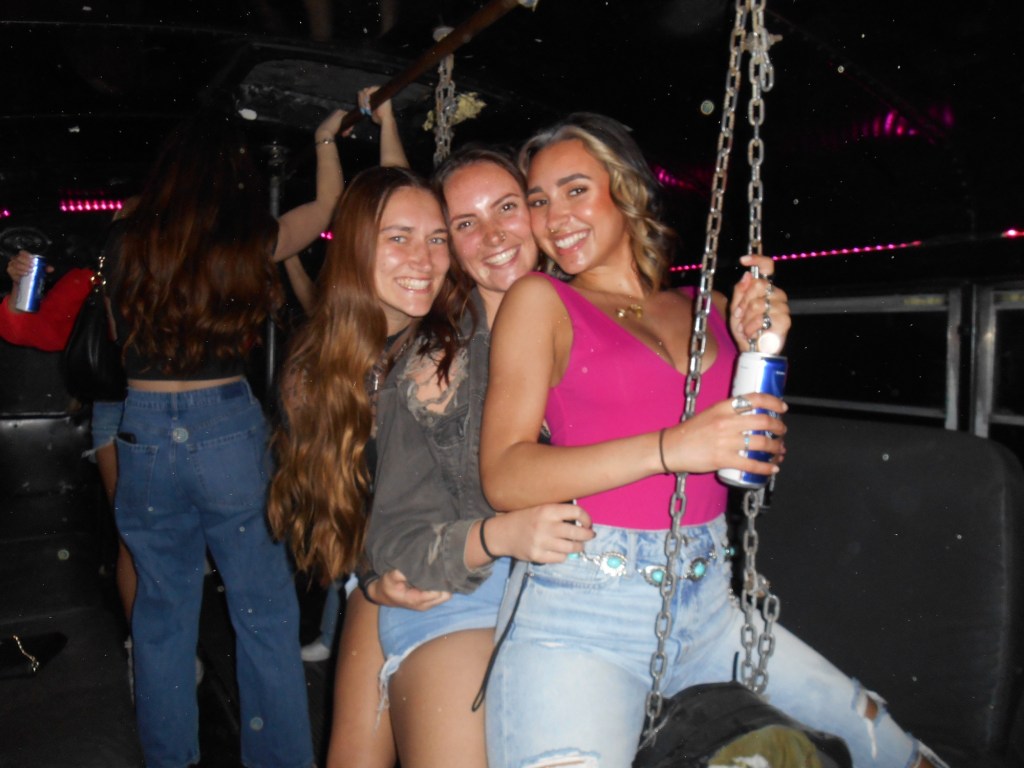
The next birthday we desperately look forward to is twenty-one. As teenagers, a few of us have had our fair share of cheap alcohol at high school parties. However, the excitement of being “legal” and no longer having to drink vodka that tastes like paint thinner is wonderful. Parents take pictures of us sipping our “first legal drink,” and we go out with college friends, dressed up in sparkly “Finally 21” sashes with Party City tiaras pinned to our heads. The fixation on drinking is one that seems to last for the entire decade. Girls’ night usually involves alcohol in some capacity—whether it’s paint-and-sip nights or putting on skimpy dresses and heels to suffer in while bar-hopping around the city. A Memorial Day cookout isn’t a real cookout without a beer in hand, and sunset boat rides on the lake always seem to involve music and a seltzer. The second-best thing at Disney is no longer the rollercoasters—it’s somehow been replaced by the Epcot “Drink Around the World” challenge.
Somewhere in the timeline of cookouts, skimpy dresses, and wine nights, many of us realize that the substance we ironically use to help us have a good time is actually dulling our experiences. Thinking back on our most memorable moments, most of them don’t involve alcohol—making us question the need for it in the first place. We eventually get to a point where we admit that the hungover days are never worth the drunken nights. This moment, right here, is when we realize it’s time for a shift.
The weird thing about young adulthood is that alcohol is almost expected to be a part of every weekend. The people who don’t include alcohol in their weekend festivities are assumed to have some sort of drinking problem—hence the reason for their sobriety. This “all or nothing” attitude that society has drilled into our heads destroys many of our sober-curious thoughts before we have time to act on them. Our ambitions to try something different and cut out alcohol entirely are dulled by voices whispering that we don’t “really” have a problem with alcohol—and only people who “really” have a problem need to explore sobriety. Somehow, we all started believing that if we don’t belong in an AA meeting, we can’t explore life sober just for the hell of it.
Some people give up alcohol for health reasons—bodybuilders and gym rats who count macros and go to bed by nine every night. But for those of us “normal people” who don’t care about gym routines or macros, finding a reason for sobriety seems out of reach.
One of the growing pains of our twenties is realizing that we don’t need a “reason” to venture into the land of sobriety. The only person demanding an explanation for our choices is ourselves. The only reason we need to explore sobriety is that alcohol may be hindering our growth without us even realizing it.
When we put ourselves into a box, eventually, that box will start to feel small as we grow. We can force ourselves to stay inside that cramped space, complaining about its tight corners every waking minute of the day, or we can allow ourselves to go shopping for bigger boxes. Sometimes, box shopping doesn’t go as planned, so in the meantime, to feel less cramped, we must remove things to temporarily make more space—to create room for breathing and comfort as we navigate our growing pains.
Weird box metaphor or not, most of us aren’t addicts. But that doesn’t mean we can’t abstain from a certain silly joy in life in order to allow ourselves to grow. And I’m sure I’ll enjoy a few mocktails while I’m at it.
 Now What?
Leave a comment